
The Value of Using a Spiritual Reading Schedule
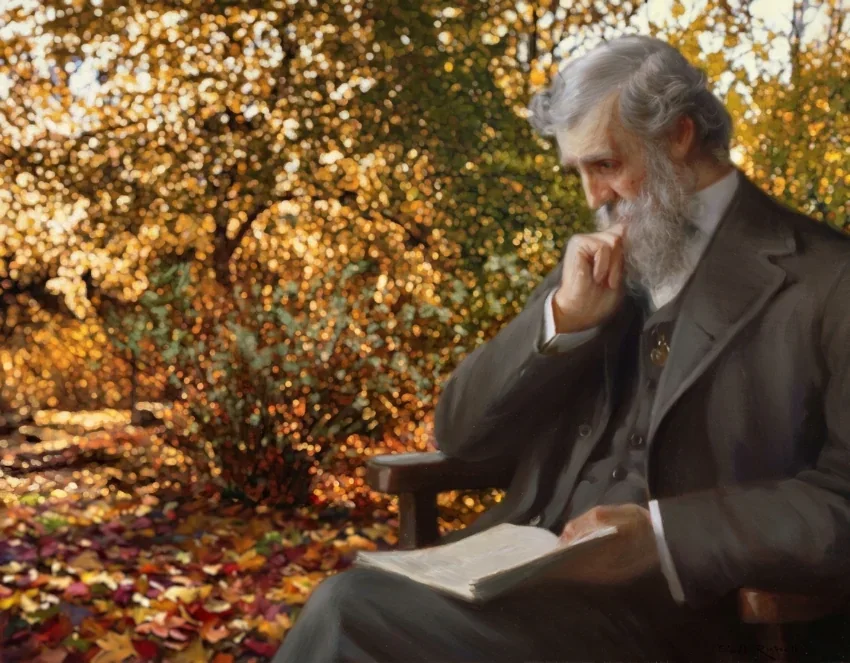
Autumn: A Time for Deepening
As nature goes to sleep, the soul awakens. The cooler weather, the changing of the leaves, and the reduction of necessary outdoor work, brings spiritual refreshment.
One way to capitalize during this quieter time is to go deeper into spiritual reading.
Many of us would like to read the spiritual classics that so enrich our Catholic heritage: the Bible, the Church Fathers, the lives and writings of the saints. All these are “A1 spiritual reading,” as Fr. Thomas Dubay used to say.
“That sounds wonderful, but…”
The fact is that the greatest spiritual classics are sometimes not so easy to read. We recognize their value, but when it comes time to read them, they may seem tedious if we are used to lighter, recreational type reading. The latter usually do not require close attention nor challenge us to become holier persons.
Yet, if eternal life with God is the ultimate goal and sanctification is the means, then A1 spiritual reading is surely the wisest choice.
Again, if books are food, then A1 spiritual reading is like eating healthy vegetables. It may not be as enjoyable as ice cream, but good reading fortifies our soul. As the saying goes, “you are what you eat.”
The Value of a Reading Schedule
“If A1 spiritual reading is like eating healthy vegetables, how do I persevere at it when I would prefer a bowl of ice cream?” Here are five good reasons to use a reading schedule:
It breaks challenging material into easy, manageable sections.
Smaller bites mean better comprehension.
Like exercise, it fosters a spirit of discipline.
Retention is vastly improved.
We become better persons.
Our Collection of Schedules
One of our brothers simply could not persevere reading spiritual classics, such as the Interior Castle by St. Teresa of Avila or the Ascent of Mt. Carmel by St. John of the Cross. He started numerous times with enthusiasm but eventually shelved them for something else.
He decided to take action by laboriously creating schedules for the collected works of our Holy Parents. The result is that he completely read all of their works over a course of two years.
“By chewing a little bit each day” he said, “I was able to eat the whole cow.”
Of course, he was speaking metaphorically, but it is true: a small dish of St. John of the Cross each day is not at all difficult. It only requires an ounce of commitment and perseverance.
Seeing the benefits, he created several more schedules. With his permission, we now share with you our collection of reading schedules: