
OUR WORLD IS WOUNDED. IT NEEDS GOD. IT NEEDS PRAYERS. IT NEEDS THIS new carmelite CHAPEL!
Dear Friends in Christ,
With our world in chaos and confusion, it needs God more than ever. People are wounded and hurting. There is confusion, division and anger. These spiritual wounds which people are suffering from are what the Carmelite hermits attend to—day and night. But we have a problem…
We have run out of room at our monastery. We cannot accept any new vocations—despite the need of our world and despite the men who want to come here to give up their lives to pray and help the world heal. (We literally have men waiting to enter this very moment!)
Unfortunately, every hermitage (the place where our hermits live) in our monastery is occupied. Even the infirmary has been transformed into a makeshift hermitage. Our current chapel is not large enough for the 10 hermits we already have. We must build! We must build to accept more men into this ancient order. We must build for the good of our families, our community, our country and our world. We must build so the faithful can pray with us! First, we need the chapel, then the hermitages.
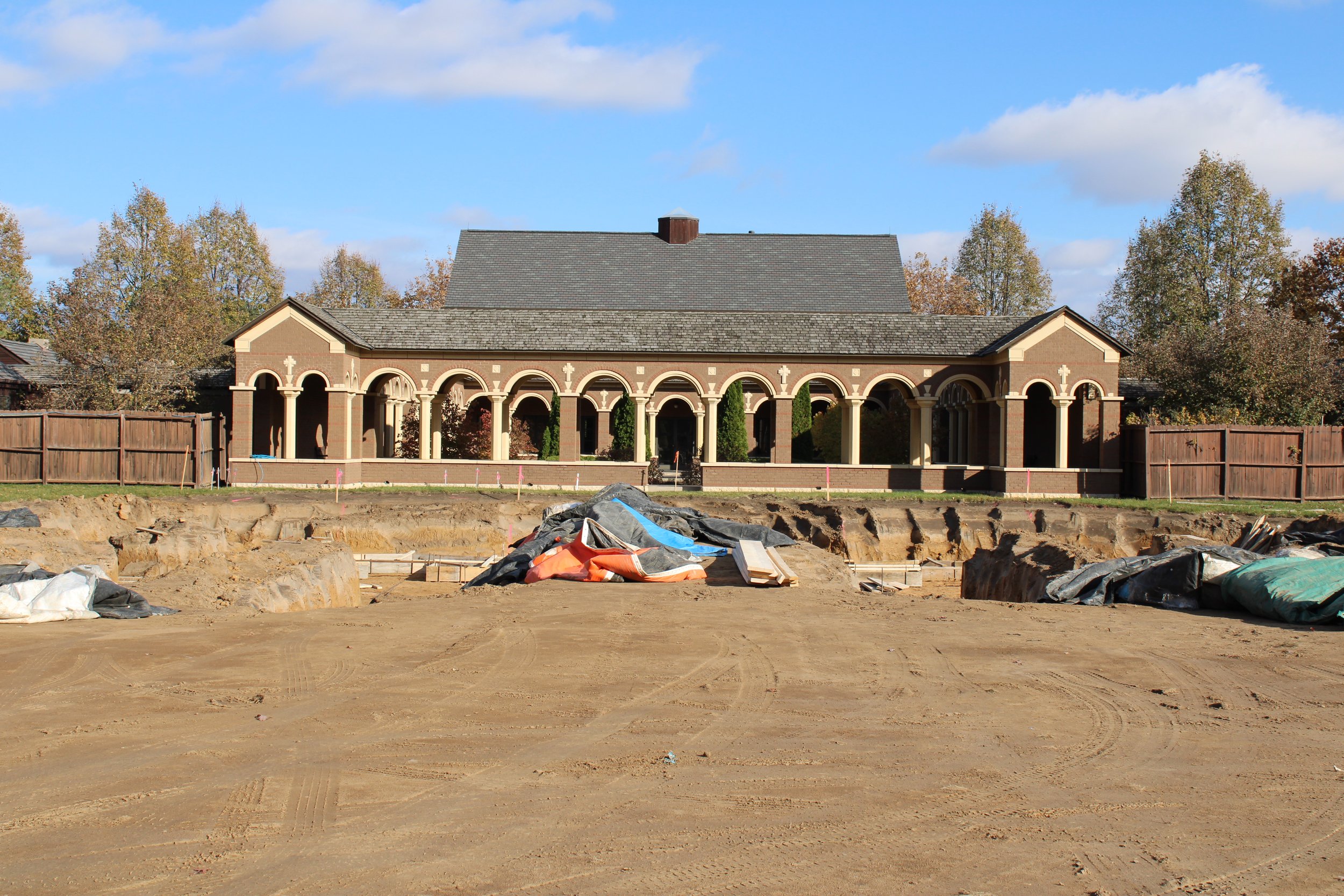
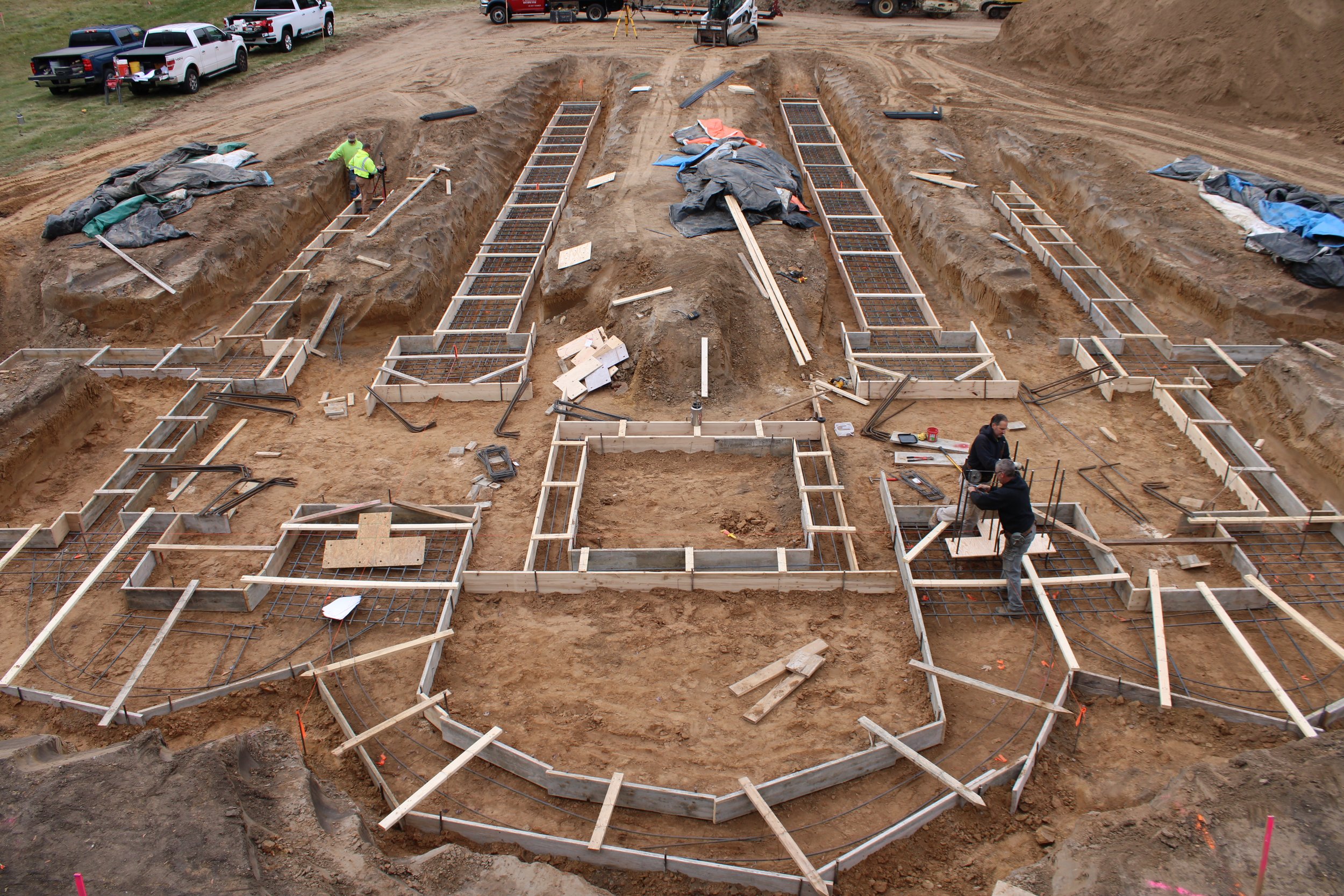
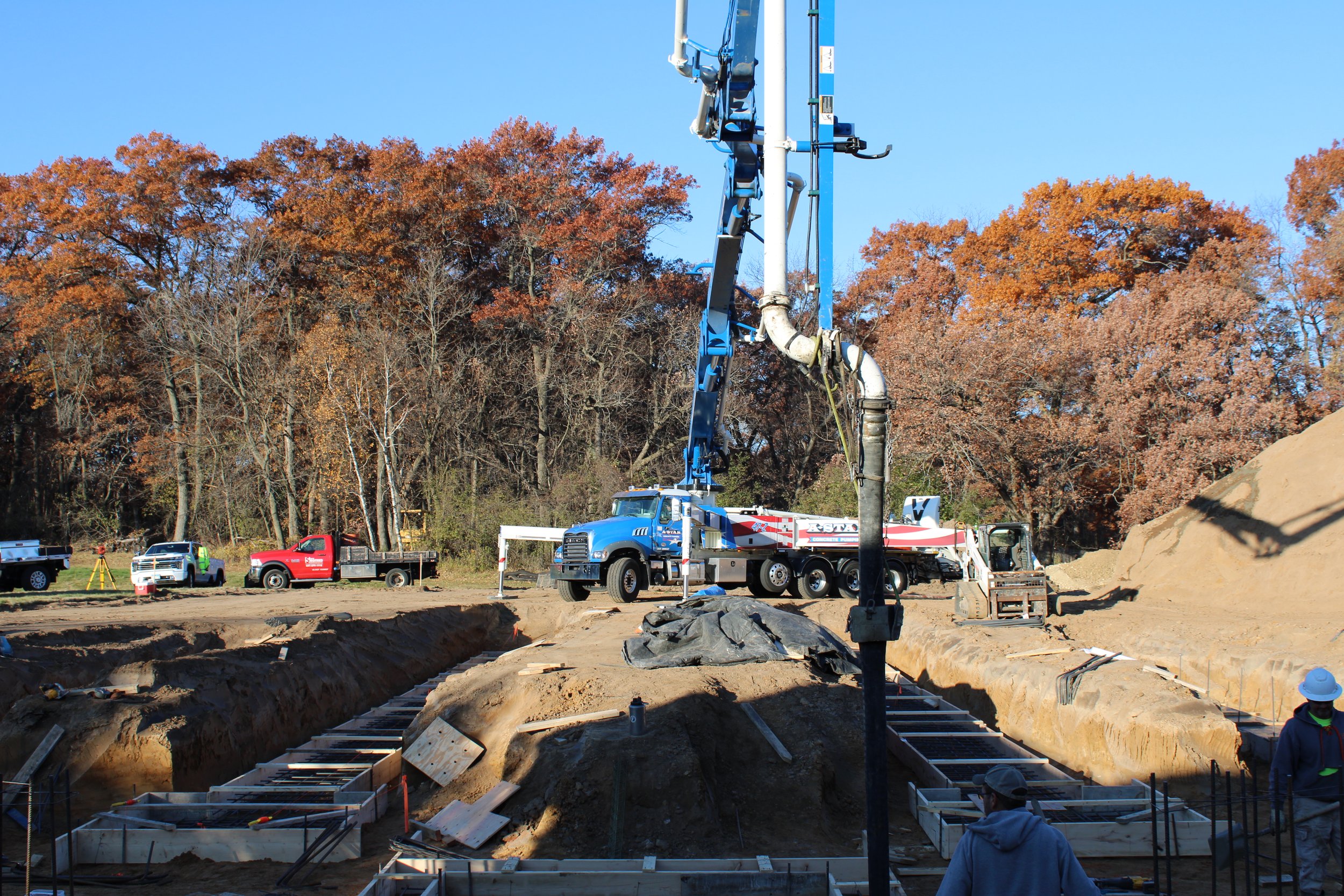
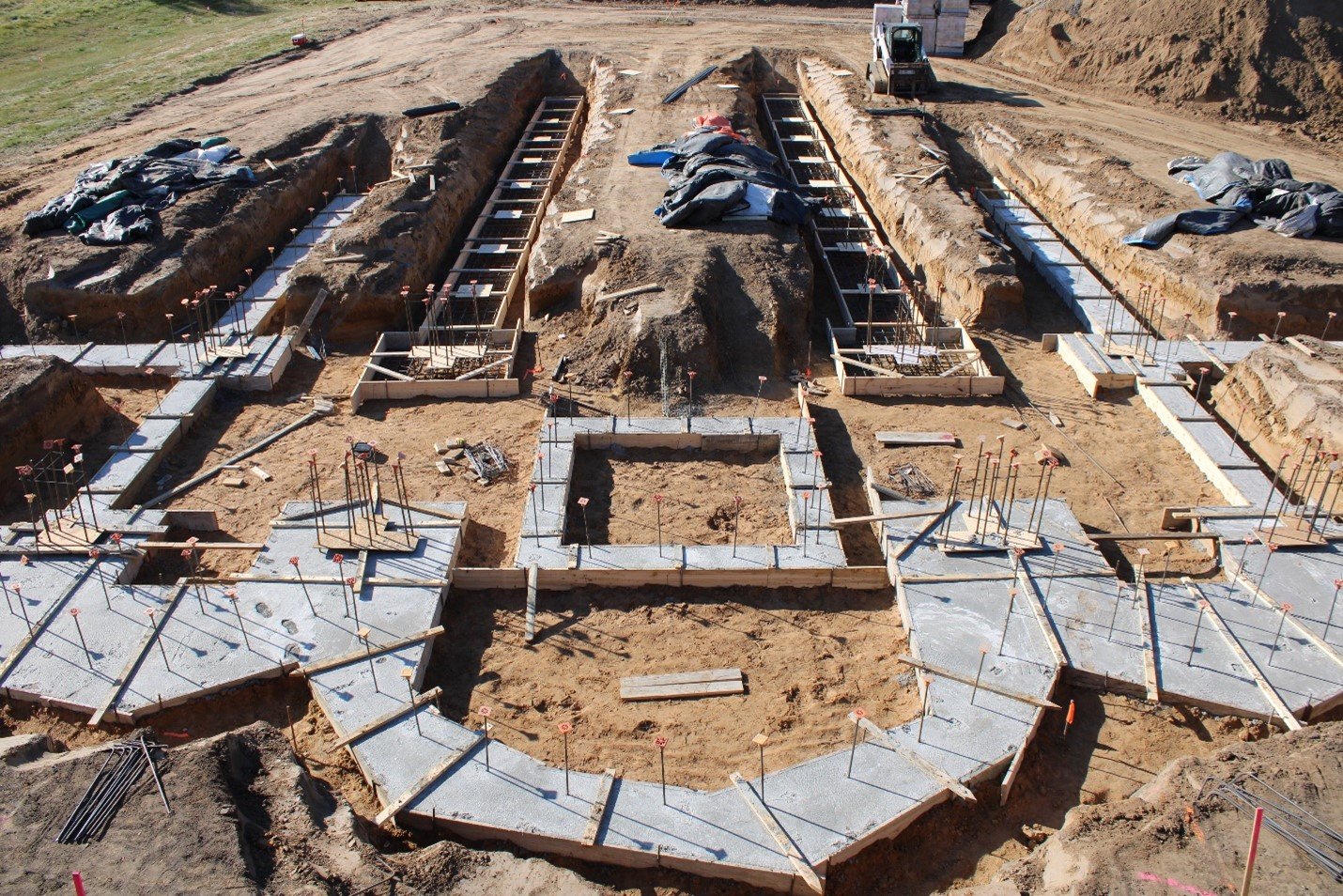
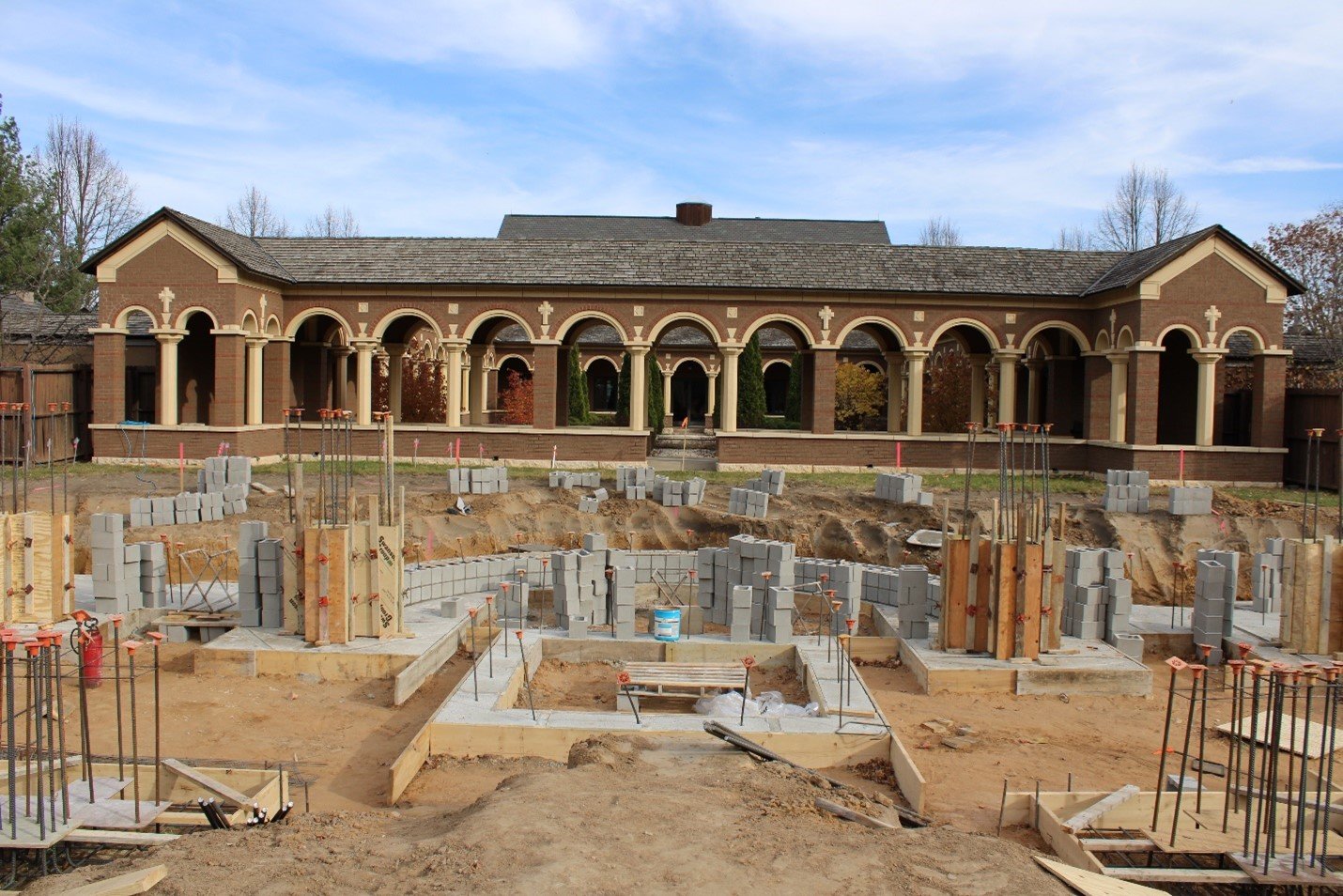
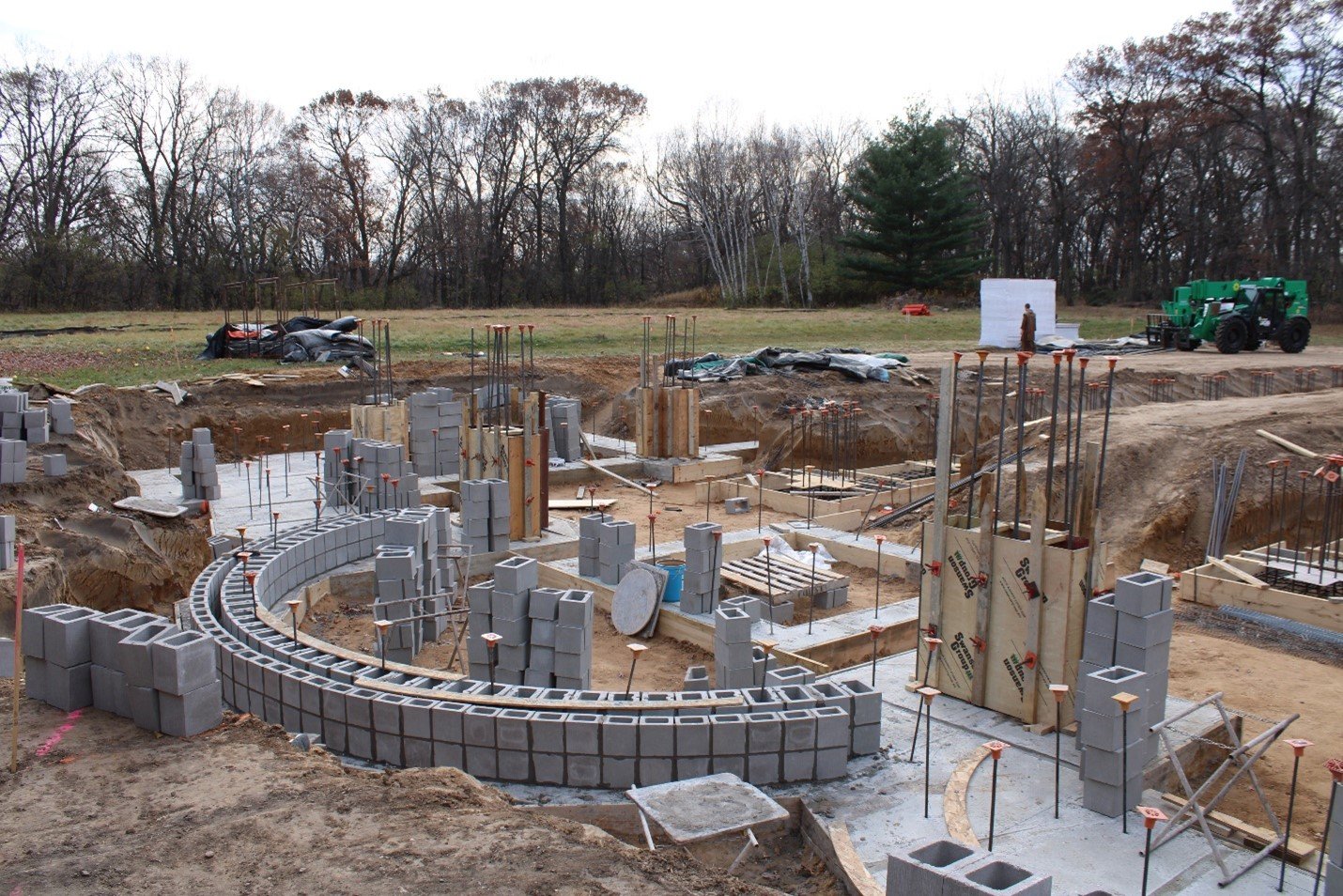
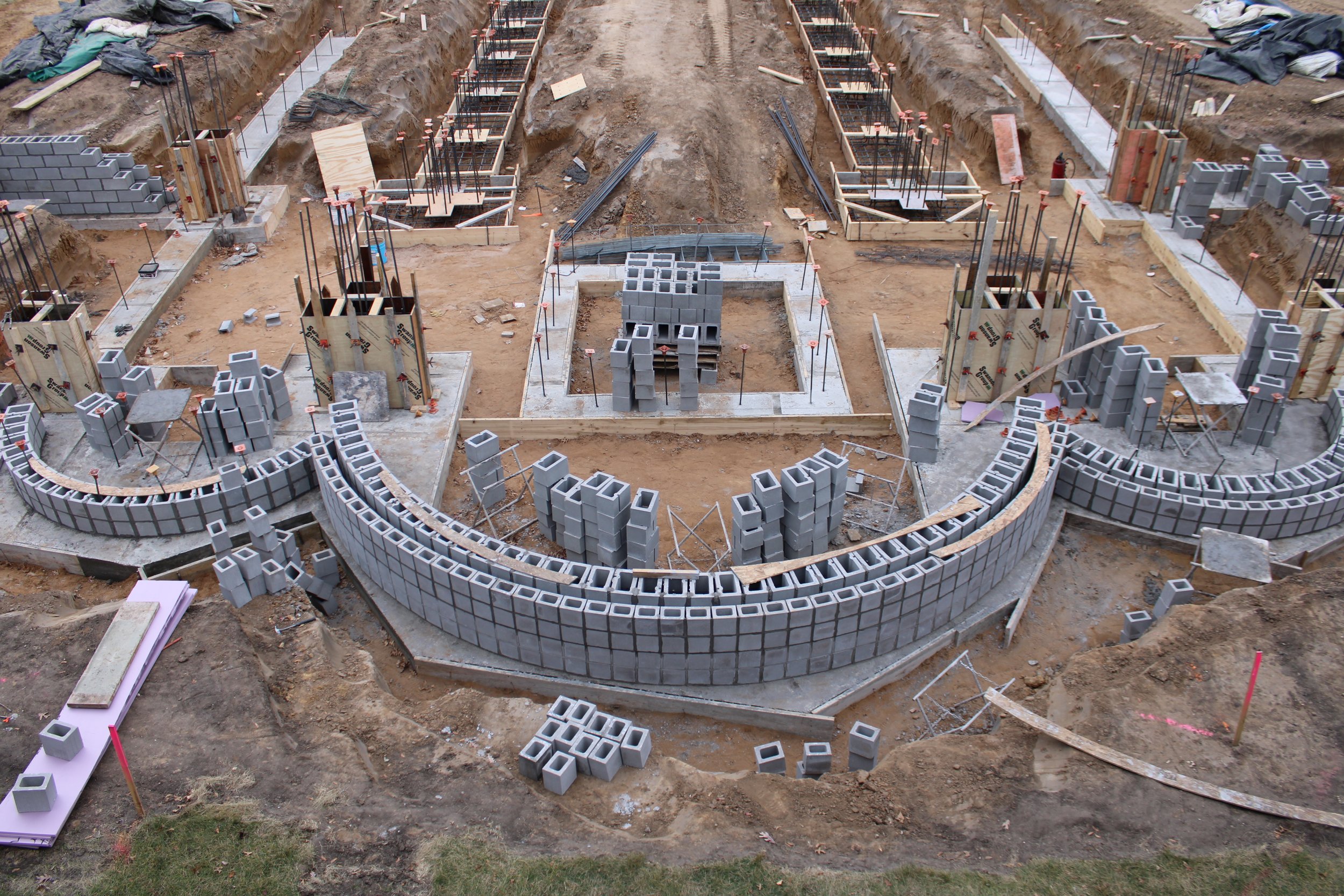
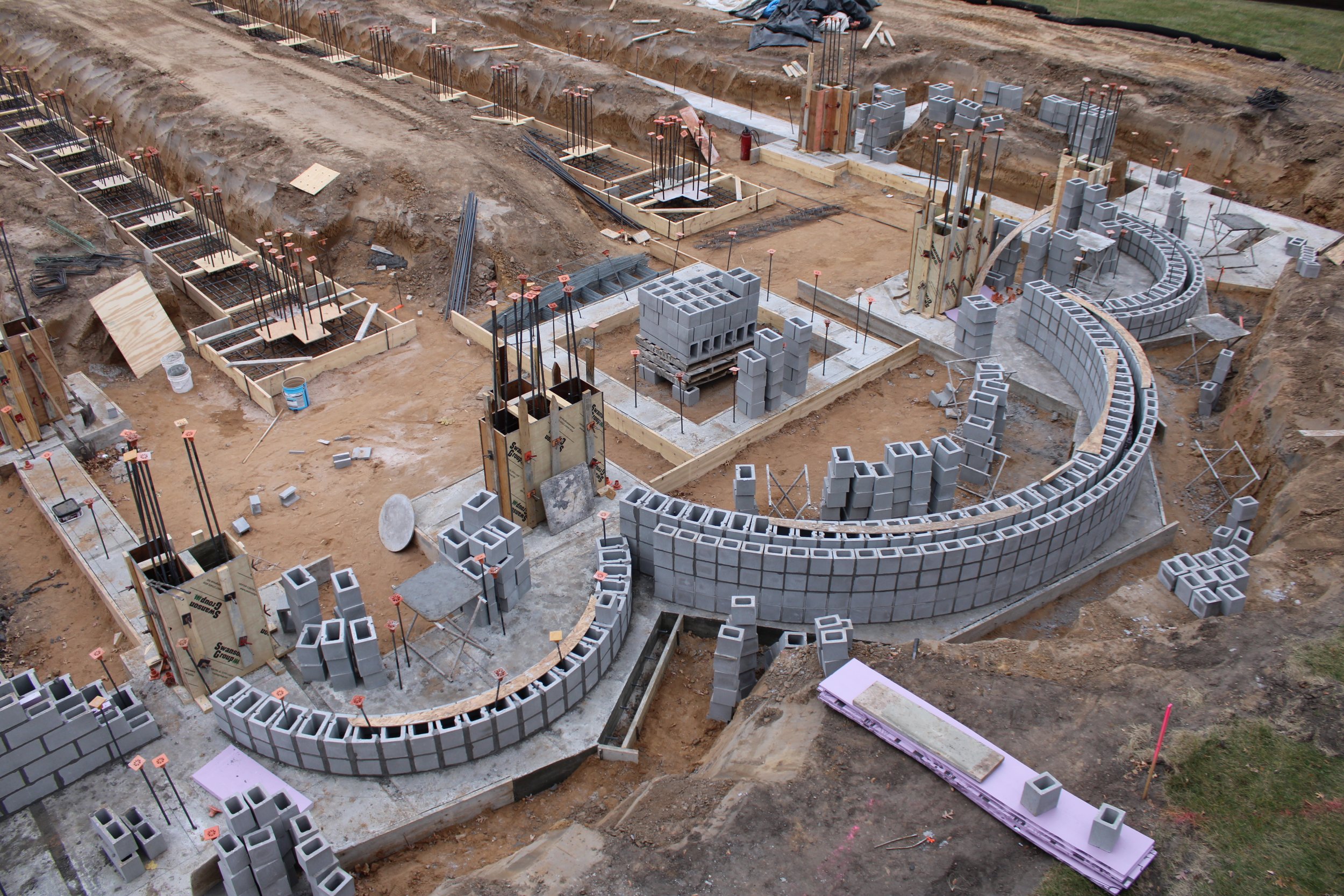
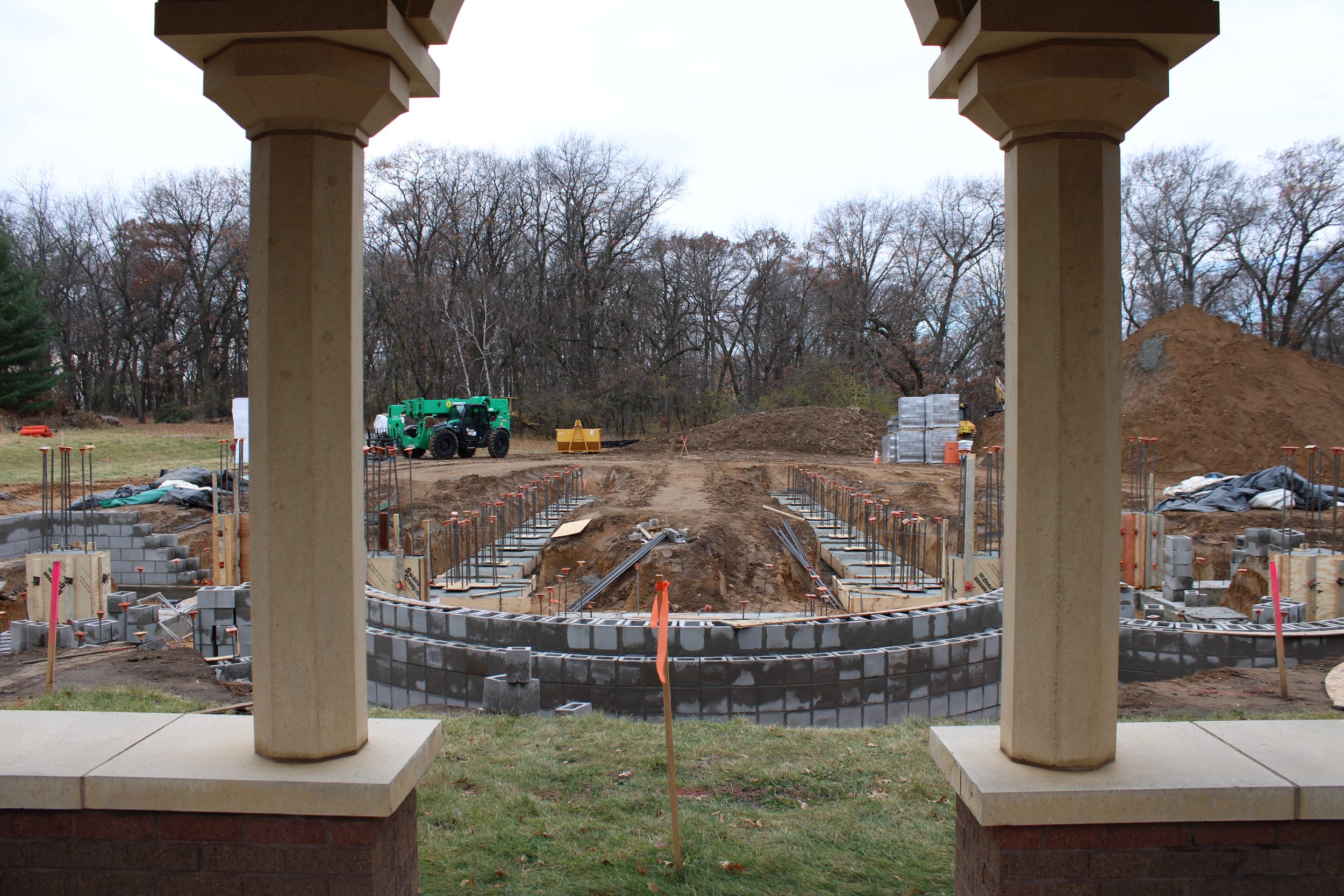
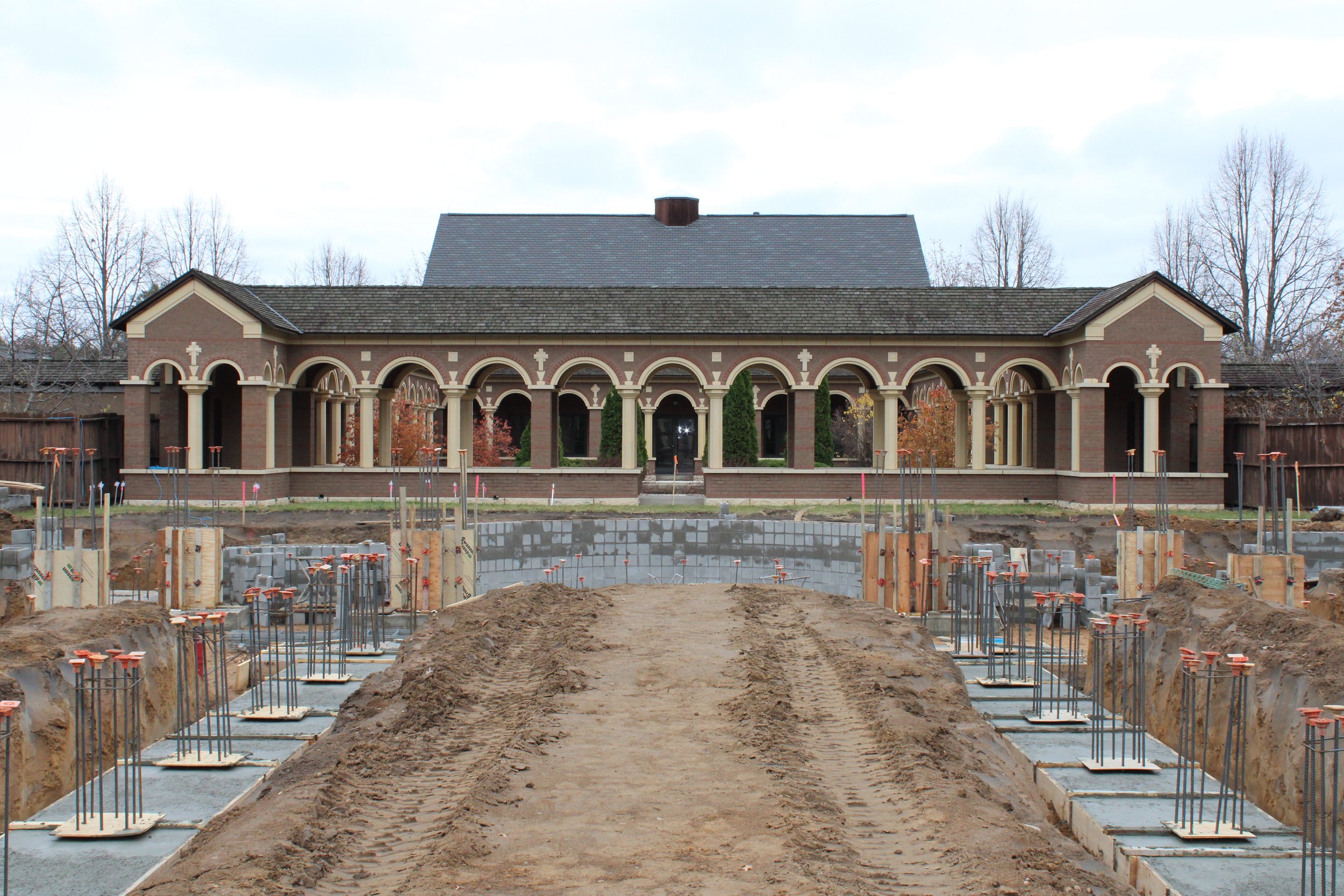
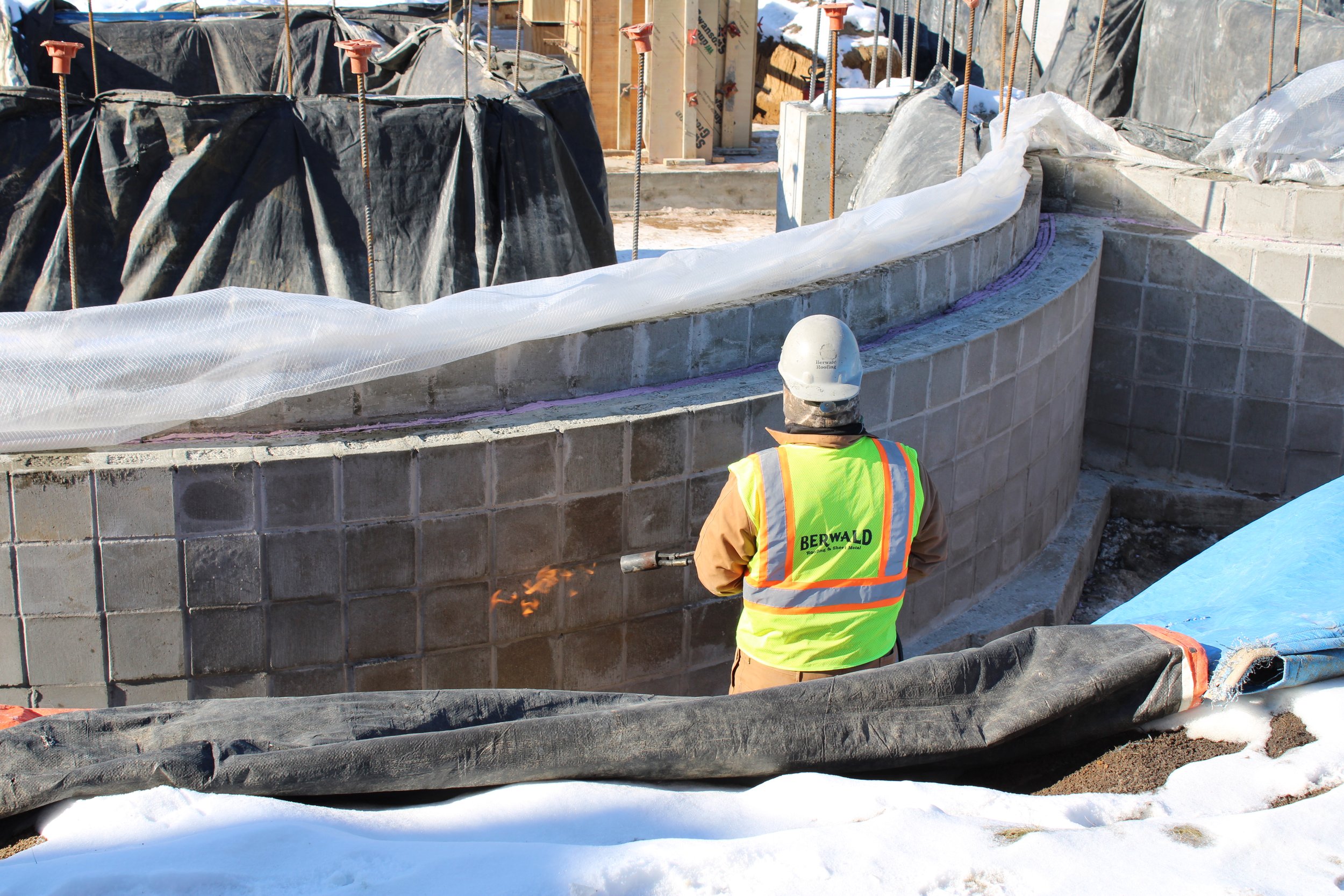
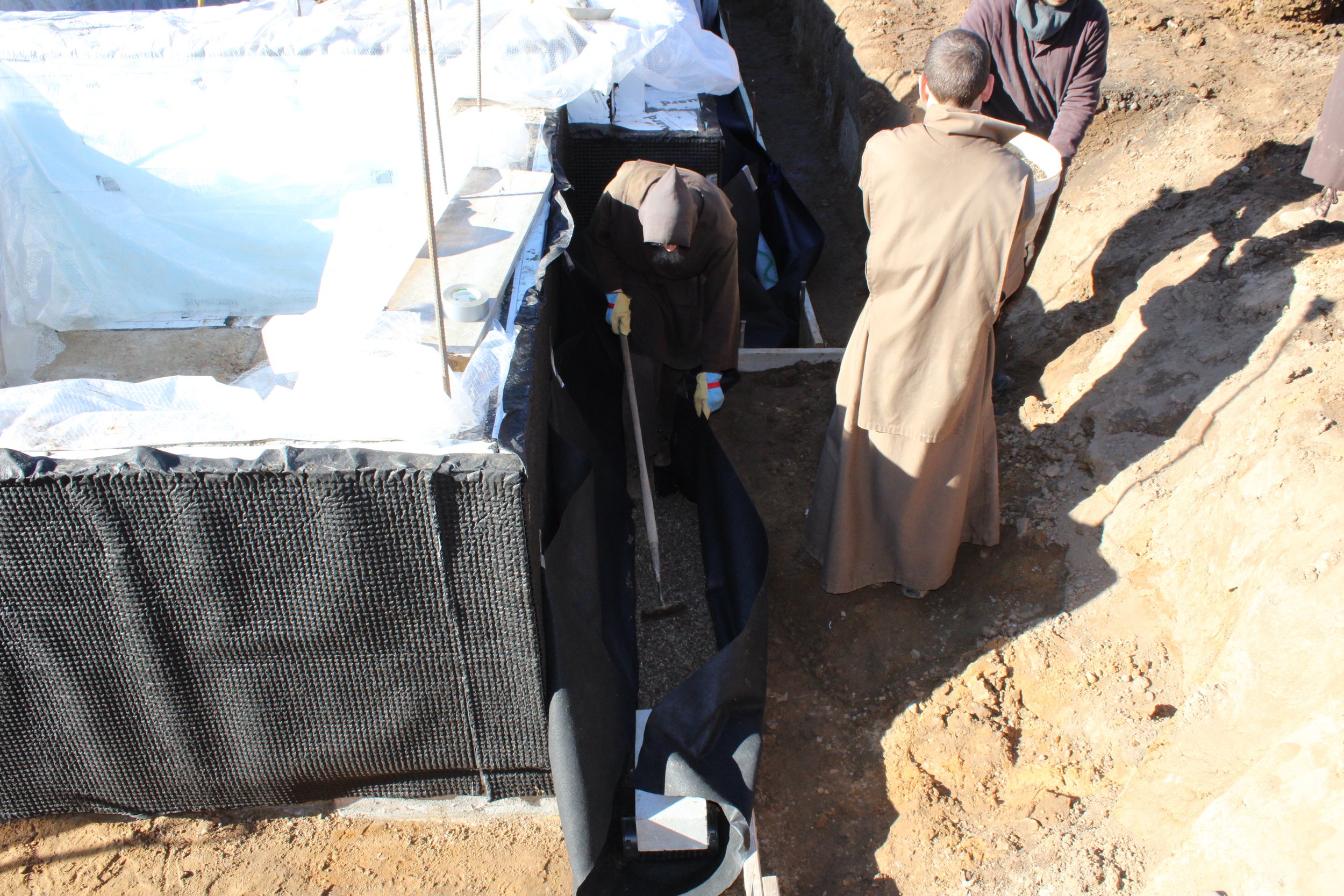
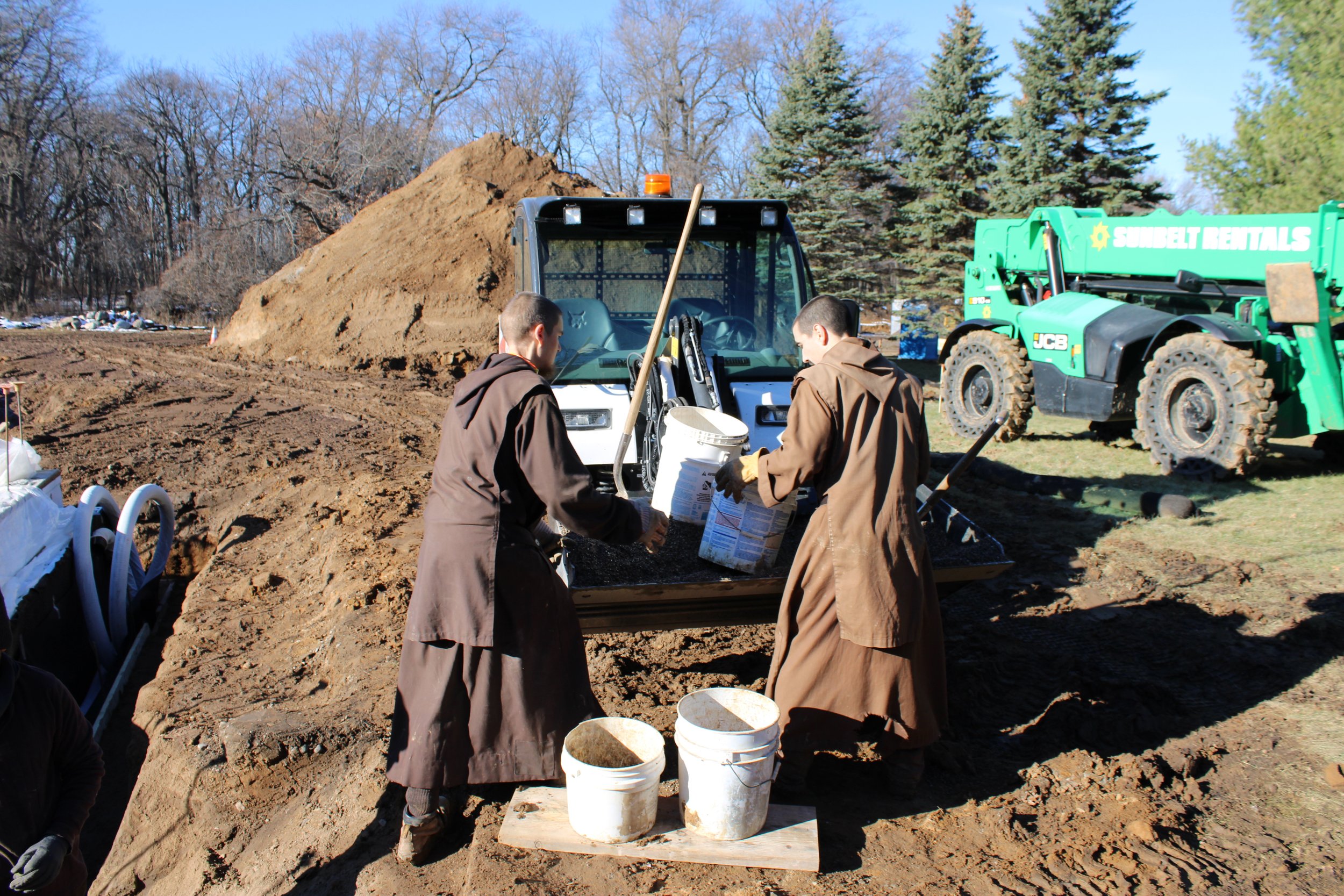
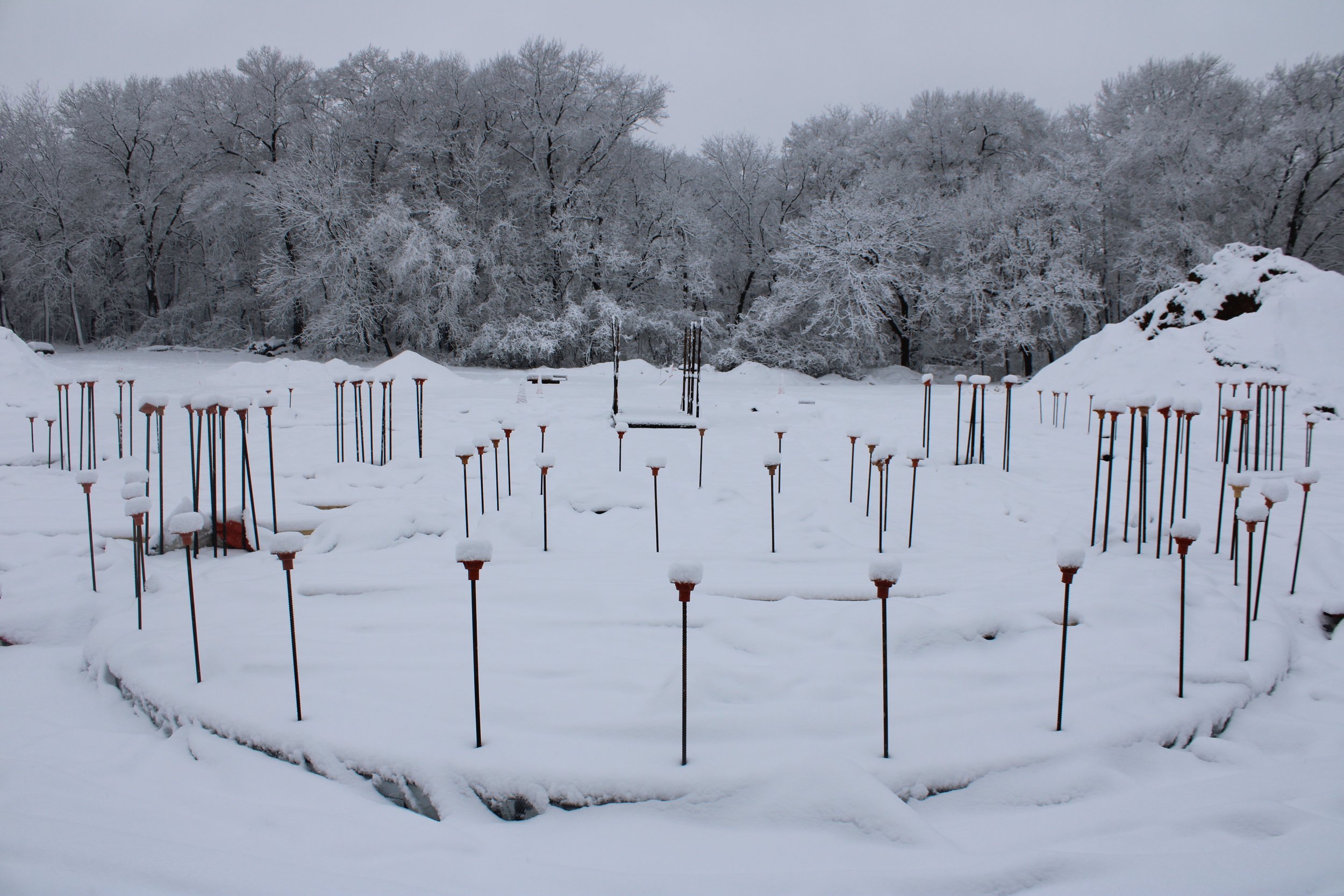
Thanks be to God, building has begun on a new Chapel. You can see the foundation is being laid now! And once we have finished the chapel, we will then add four new hermitages—so that we can accept more men into our community. But we do not have enough money to finish this project without you. With unprecedented inflation, we must now raise $3.75 million to build this sacred chapel. We need your help! Watch the video below. Look at the plans for yourself. If you agree that our world needs this chapel would you do three things?
Second, would you sign up for our brand new e-letter so we can show you how construction is going, and give you a glimpse into our lives here at the monastery? The sign up is directly below this letter.
And finally, would you tell others about what is happening here at Carmel and encourage them to sign up for our e-letter as well? Send people to this Web page and spread the word.
On this page below, you will find an inspiring 5-minute video about this chapel and why it is important. You will also find all of our building plans as well as up-to-date pictures on our progress. Our world will benefit from this chapel. Our world needs God. Our world needs prayer. The spiritual wounds of our times can be healed! Please help us to help the world.
God reward you,
Fr. John Mary, O.Carm.
Prior
Watch this Short Video update about the new chapel
Look at what has already been done!
Use the arrows on the right and left of each picture below to scroll to the next image.
An Explanation of our Cornerstone
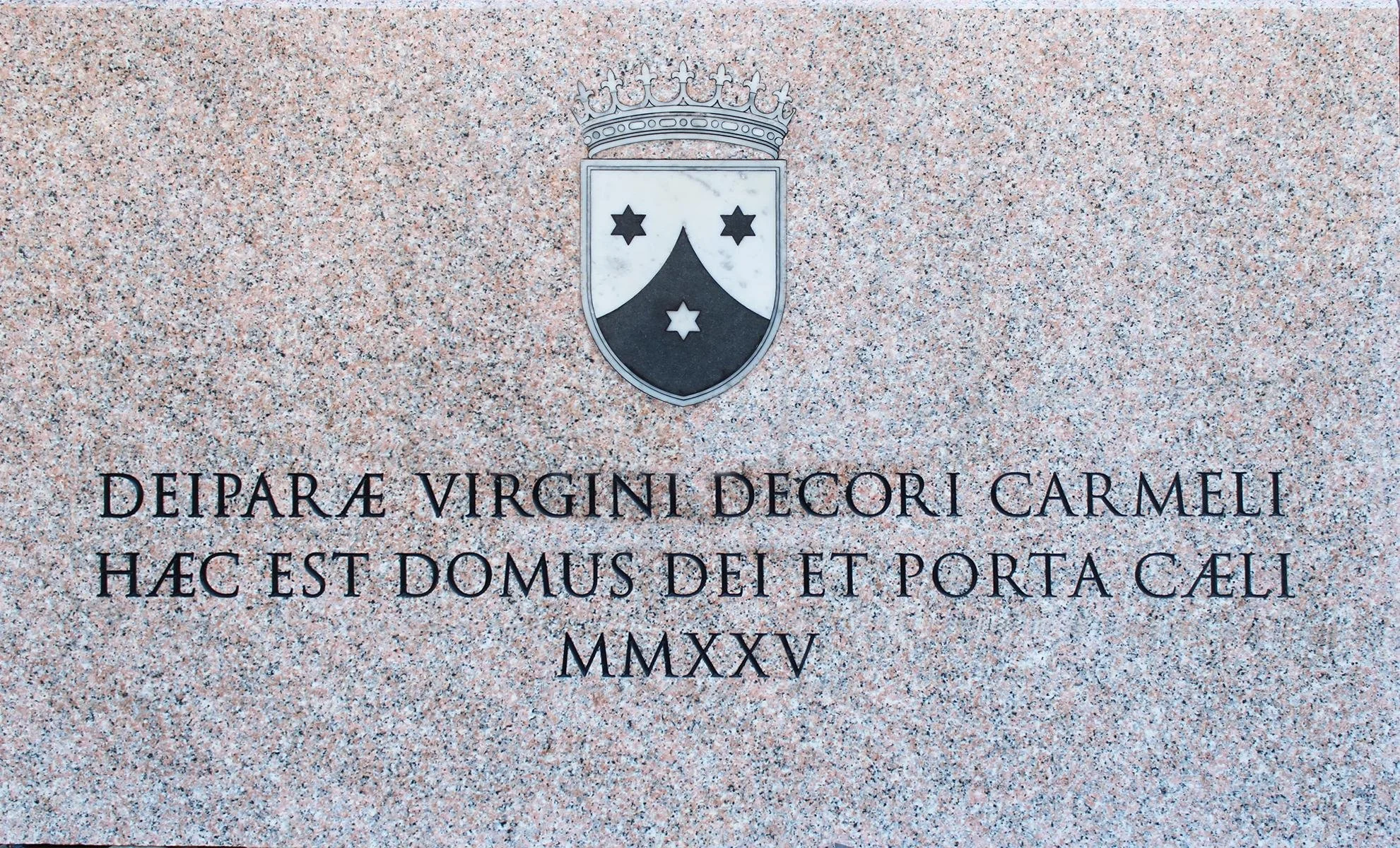
The Cornerstone of the Public Chapel: Blessed on 14 September 2025.
The Shield
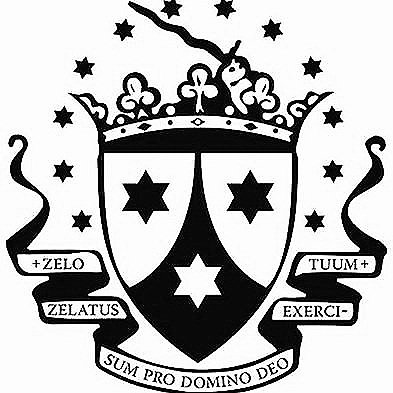
The cornerstone for our new chapel consists of two parts: the heraldic shield of the Carmelite Order, and a dedicatory text in Latin. It was common in Medieval times for knights, nobility, armies, religious orders, and other institutions to create an ornamental shield or coat of arms with symbols and words representative of the person or institution to whom the shield belonged. The central portion of the Carmelite shield portrays the mountain of Carmel where our Order was founded. The mountain is embellished with three stars which represent the three “ages” of the Order, Hebrew, Greek, and Latin. The hermits who dwelt on Mount Carmel venerated the great prophet Elijah and his disciple, the prophet Elisha, both of whom frequented the Mountain of Carmel. Notable stories of their presence on Mount Carmel are recorded in the two Books of Kings. Because of the association of these Old Testament prophets with Mount Carmel, the first star of the Carmelite shield, set in the base of the mountain like a cave, represents the “Hebrew age” of religious life on Carmel. Christian monasticism began to develop in the third century AD, and it quickly spread to the Holy Land. Many monasteries were founded there in the following centuries. It is not known when Christian monks first settled on Mount Carmel, but several monasteries and smaller colonies of hermits were established on Carmel by the early Middle Ages. Because Greek was the common language of the Middle East in late antiquity, the second star of the Carmelite shield, in the upper left, represents the “Greek age” of monastic life on Mount Carmel.
In the wake of the First Crusade, many Catholics from Western Europe traveled as soldiers and pilgrims to the Holy Land. Some of them stayed and put down roots in the new Latin Kingdom of Jerusalem. In the late twelfth century, hermits of western European nationality, most likely French, Italian, and English, settled on Mount Carmel. They established there a semi-eremitical community which was later erected as the Order of Carmelites. The third star of the Carmelite shield, in the upper right, represents this “Latin age” of the Order of Carmelites, an age which continues to this day. The crown surmounting the shield is a symbol of the Blessed Virgin Mary, the principal patroness of the Carmelite Order. In more elaborate forms of our coat of arms, twelve stars appear above the crown, which also symbolize the Virgin Mary, and a flaming sword appears within the twelve stars which represents of the Prophet Elijah.
The Text
Three lines of Latin text are inscribed on our cornerstone. The first line reads Deiparæ Virgini Decori Carmeli, which translates into English as “To the Virgin Mother of God, the Beauty of Carmel.” This text contains two truths of our Catholic faith which are also shared by Christians of many other denominations; namely, that Mary gave birth to Christ, the Son of God, and that Mary remained a perpetual virgin through the miraculous grace of God. “Beauty of Carmel” is a title which Carmelites give to the Virgin Mary because of her patronage over the Order of Carmel and in recognition of the spiritual beauty of the one whom the Angel Gabriel called “full of grace.” The phrase “beauty of Carmel” is found in Isaiah 35:2 where the transformation of the desert into a lush and fertile land is described when the “ransomed of the Lord” and the “redeemed” shall return from exile. The second line of our cornerstone reads Hæc est domus Dei et porta cæli, which translates as “This is the house of God and the gate of heaven.” This text is taken from Genesis 28:17 which recounts a dream of the Patriarch Jacob in which he sees the angels of God ascending and descending upon a ladder. God speaks to Jacob in this dream, and when he awakes, he cries out, “Surely the Lord is in this place, and I did not know it. How awesome is this place! This is none other than the house of God, and this is the gate of heaven!” Our chapel is also house of God; may it be a gate to heaven to all who enter there. In an allegorical sense, “house of God” and “gate of heaven” refer to the Virgin Mary, for the Son of God dwelt within her womb, and by her intercession, she opens the gate of heaven. The date of the construction of our chapel is inscribed in Roman numerals on the third line of our cornerstone: 2025. Although we began construction before 2025, this year is a jubilee year, and therefore the most significant of the years of construction.
A Brief History of Cornerstones in the Christian Tradition
Cornerstones date back at least as far as those found in the excavations of ancient Egyptian and Mesopotamian buildings. They were often the very first stone laid in a new building in order to orient the whole structure and serve as a reference point for its alignment and dimensions. Cornerstones have also served ceremonial and religious purposes. Sometimes symbolic offerings were placed within the stones in order to ensure divine protection. Relics were often placed in the cornerstones of Christian churches, and the exterior of the stone was almost always inscribed with the year when notable construction began. Frequently Christian cornerstones were also inscribed with various symbols, such as the cross, as well as with the name of the saint or mystery to which the church was dedicated. Sometimes the name of the bishop and principal patrons of the church were also carved into the cornerstone. In more recent centuries, time capsules, containing various documents and objects referring to contemporary persons and events, have been placed within cornerstones. In the Gospels of Mathew, Mark, and Luke, Jesus refers to Himself as a cornerstone. (Mt. 21:42, Mk. 12:10, Lk. 20:17) He quotes a line from Psalm 117(118) “The stone which the builders rejected has become the cornerstone. The Lord has done this, and it is marvelous in our eyes.” Jesus applies this text to Himself, implying that, although the Pharisees and Sadducees reject Him, He has become the founder of a new and eternal covenant. Our entire faith as Christians rests upon Him and his new life of grace. He is the cornerstone of his Church, as St. Paul states: “So then you are no longer strangers and sojourners, but you are fellow citizens with the saints and members of the household of God, built upon the foundation of the apostles and prophets, Christ Jesus himself being the cornerstone, in whom the whole structure is joined together and grows into a holy temple in the Lord. (Eph. 2:19-21) In his first letter, St. Peter encourages us to build our whole life upon Christ, the cornerstone. He intends this not only in the sense of our individual lives, but also in the sense of our spiritual union in his Church. As he says, “Come to him, to that living stone, rejected by men but in God’s sight chosen and precious; and like living stones be yourselves built into a spiritual house, to be a holy priesthood, to offer spiritual sacrifices acceptable to God through Jesus Christ. (1 Pt. 2:4,5) The cornerstone of our chapel should remind us that we are built upon Christ and the Church which He founded. We are mortared into this spiritual building through love, love for Christ and for one another. The Church building is a great icon of the communion of all of the members of Christ’s Church, for “there is one Lord, one faith, one baptism; one God and Father of all, who is over all and through all and in all.” (Eph. 4: 5,6)
Check out Our Architectural Plans
We are pleased to share the plans of our new chapel prepared by our architect, Duncan Stroik of the University of Notre Dame. Mr. Stroik is one of the leading architects in the design of new Catholic Churches. His past projects include the Shrine of Our Lady of Guadalupe in La Crosse, Wisconsin, the chapel at Saint Thomas Aquinas Collage in California, and the new organ case and renovation of the choir loft at the Cathedral of Saint Paul.
The architectural design of our new chapel is inspired by the early Christian basilicas of Rome and Ravenna, in particular old Saint Peter's and the church of Saint Mary Major in Rome, and the two churches dedicated to Saint Apollinaris in Ravenna. The exterior of the chapel will be built of brick and limestone to match the existing buildings of the Hermitage.
The Exterior View
THE FAÇADE—MODELED AFTER SANT’ APOLLINARE
The façade of our new chapel is modeled on that of Sant’ Apollinare in Classe, while the transept and apse (not visible) are reminiscent of Saint Mary Major. Like Sant' Apollinare the entrance to our chapel is preceded by a loggia, that is a covered walkway which allows visitors to enter the chapel under a protective roof. Above the loggia the trinity window allows the light of the setting sun to illuminate the sanctuary. Surmounting the trinity window will be a statue of the Virgin Mary, patroness of the chapel. A cross at the peak of the roof will crown the façade.
This is what the facade of our new chapel will look like—modelled after Sant’ Apollinare.
This is the facade of the Basilica of Sant’ Apollinare.
THE FLOOR PLAN
The floor plan shows the chapel divided into three spaces: the sanctuary, the monastic choir, and a section for the public. The sanctuary contains the altar, tabernacle, crucifix, and apse mosaic. It is flanked by two small chapels dedicated to the Virgin Mary and Saint Joseph. Our community gathers in the monastic choir several times per day to chant the services of the Divine Office and Holy Mass. Because we are a cloistered community, a simple partition separates the monastic choir from the section available to guests and visitors who wish to pray with us. Our new chapel will provide seating for forty-four guests.

A drawing of what the interior of the new chapel will look like.
The Interior View of the Chapel
This interior view of the Chapel shows the sanctuary and monastic choir. The columns and arches in the nave are reminiscent of the church Sant' Apollinare Nuovo in Ravenna. The mosaics above the arches reveal the greatest similarity between our chapel and that of Sant' Apollinare (pictured right). The spectacular sixth century mosaics in the church of Sant' Apollinare depict the saints bringing up their gifts in the offertory procession. The mosaics in our chapel will likewise depict the procession of the saints, but in our case they will be saints of the Carmelite Order. The mosaic in the apse depicts Our Lady of Mount Carmel surrounded by the Prophets Elijah and Elisha and other Carmelite saints.
You can see the similarities to the interior of the Basilica of Sant’ Apollinare below.
The Arches and Art of Sant’ Apollinare
Basilica of Sant’ Apollinare
Basilica of Sant’ Apollinare
Sketches of the interior of our future chapel
THE MONASTIC CHOIR
THE SANCTUARY
SPACE FOR OUR VISITORS
How Can you Help? Join the Brick legacy guild!
In order to complete this magnificent chapel (and the 4 hermitages we need to accept new vocations) we have to pay for 75,000 bricks! That is the exact number of bricks we need to complete this project. To finish everything, we need to raise $3.75 million—or $50 per brick. If you are willing to help us, click below to donate. Everyone who donates a brick and joins the Guild will be prayed for by the Hermits at a monthly Mass. To learn more about the Guild, click the button below.